

What to hear in these three birds
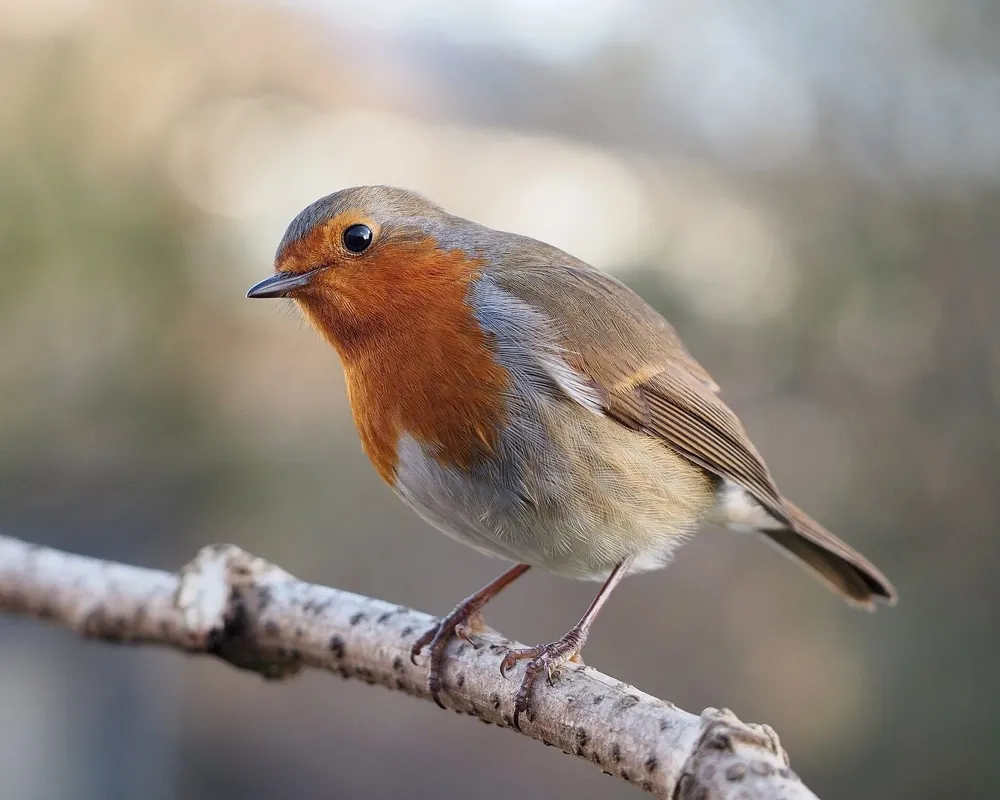
A high, thin warble that changes direction and spacing, often with delicate pauses.
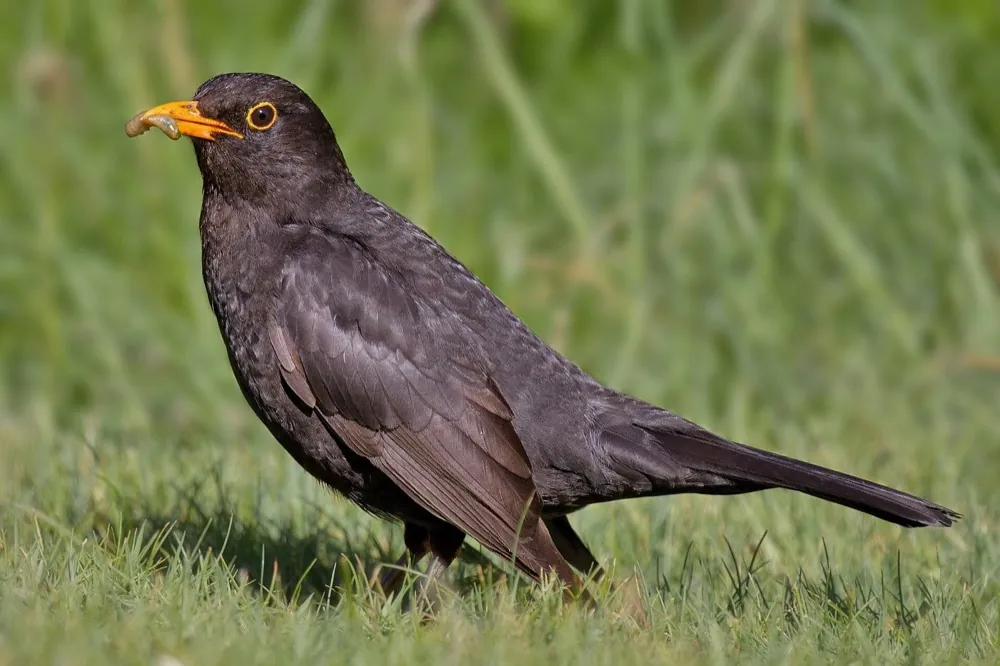
Rounded, fluted phrases delivered at an unhurried pace, with clear space between phrases.
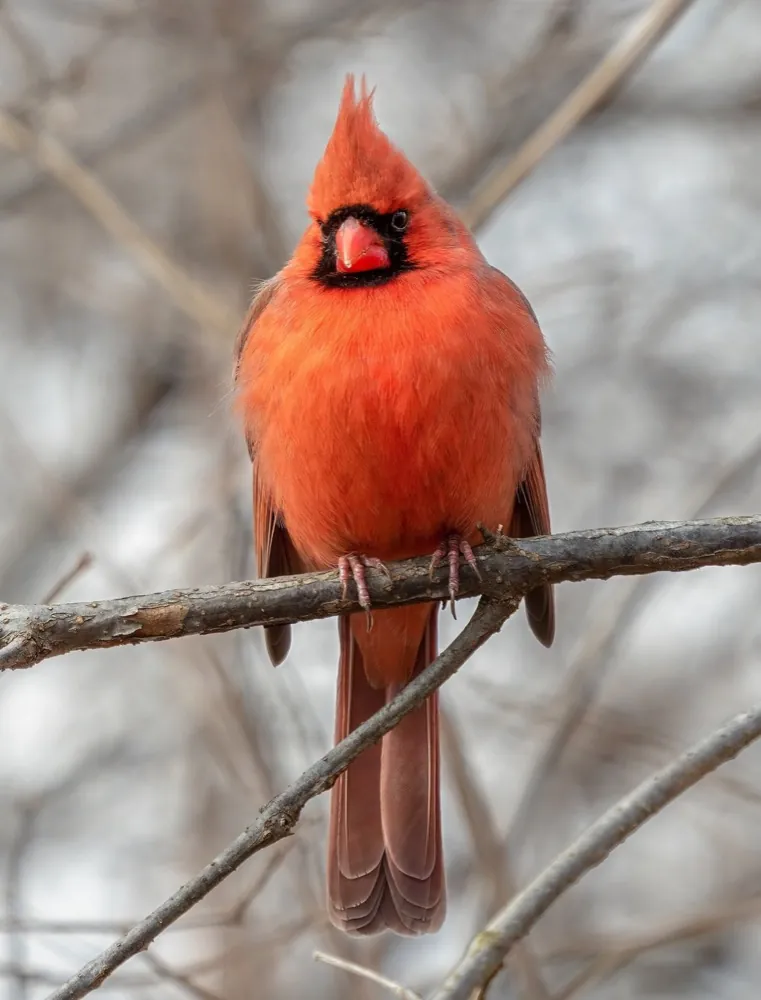
Strong clear whistles arranged in repeated phrases with an easy-to-follow pulse.
These descriptions are listening handles, not complete definitions. Each species has a repertoire, and individuals vary. Use the clue to direct attention, then hear additional recordings before treating the pattern as learned.
Why a bird-song quiz beats passive replay
A quiz forces retrieval: the bird’s name and sound pattern must be reconstructed while the answer is hidden. That effort provides information passive exposure cannot. If you answer European Robin when the singer is Common Blackbird, you have discovered a specific boundary that needs work.
Immediate feedback keeps that discovery useful. Replay the correct bird, then the mistaken choice, and state one difference. On the next attempt, listen specifically for that feature. A score summarizes the session; the contrast teaches the skill.
A ten-minute sound-quiz routine
- Warm up two known birds. Answer one example of each to reactivate their patterns.
- Add one new bird. Hear its name, photo, and one acoustic description before testing.
- Shuffle nine attempts. Mix the three species so order gives no clue.
- Compare every confusion. Replay the correct species beside your choice.
- Finish with an unseen recording. Use another individual to test whether the pattern transfers.
- Return tomorrow. A brief delayed quiz reveals more about memory than five immediate repetitions.
Learn a species, not a recording
Bird voices change across individuals, places, seasons, and contexts. Recording conditions add distance, wind, other species, and equipment differences. Begin with a clear example, but introduce variation as soon as the broad structure is understandable.
Mixing related birds also matters. A quiz containing only one thrush among unrelated species can be solved by category. A later quiz should place it beside plausible local alternatives. Harder choices are useful when they reflect real confusions, not arbitrary obscurity.
Quiz modes inside Syrinx
Syrinx expands the sample into a learning path for 308 species. Sessions can ask for the name from a sound, the photo from a song, the correct recording from a bird, a typed name, or the matching spectrogram. Daily goals and review keep practice short while bringing weak species back.
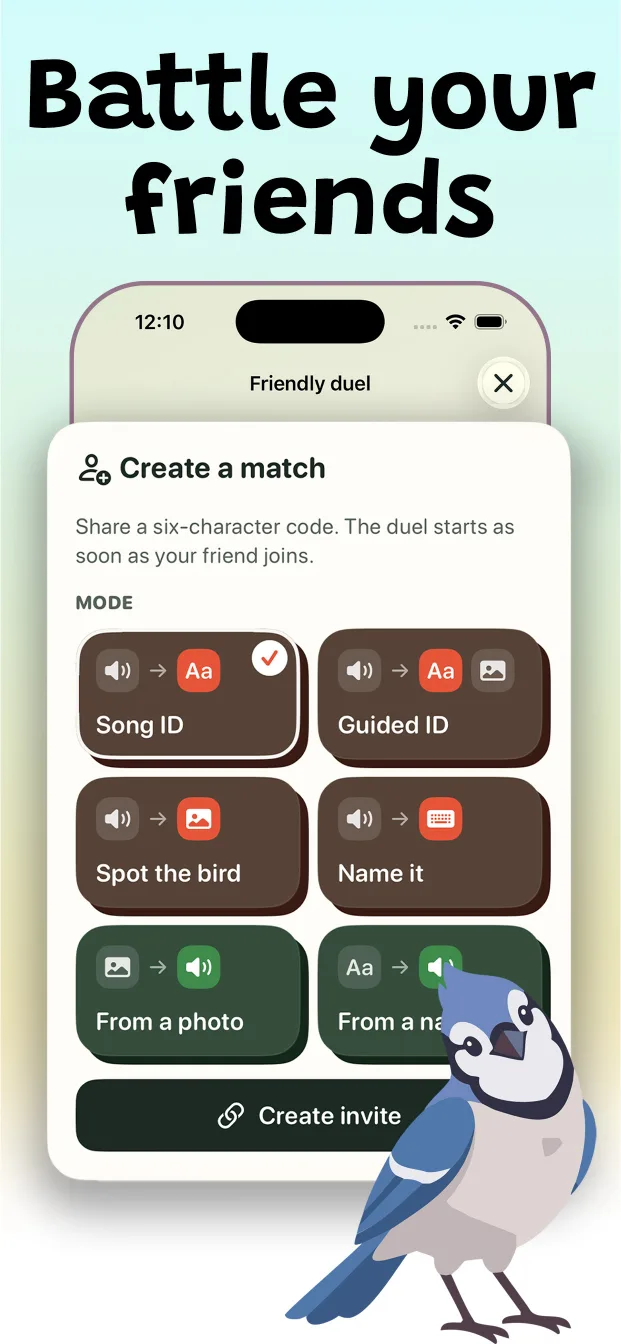
The same clue types also support friendly ranked duels after the core learning loop, so a quiz never has to feel like the same drill twice.
Download Syrinx on the App Store →The app is currently being prepared for release. Until then, replay this quiz with the options hidden, follow the seven-day plan, or learn how to make bird calls stick.